In the last three centuries, London has significantly transformed. Gone are the horse-drawn carriages that were pulled across cobbled streets, the choking smog from the early stirrings of the Industrial Revolution, and the hiss of steam trains, which have since been replaced with the rumblings of the Underground.
Swaine's Centuries of Craftsmanship
Words by
Clara Taylor
7th January 2026
As the iconic brand Swaine celebrates 275 years, Clara Taylor looks at why it is the leading example of enduring British artisanship and a living institution that continues to evolve with the rhythms and reinvention of London itself.
Presented by Swaine
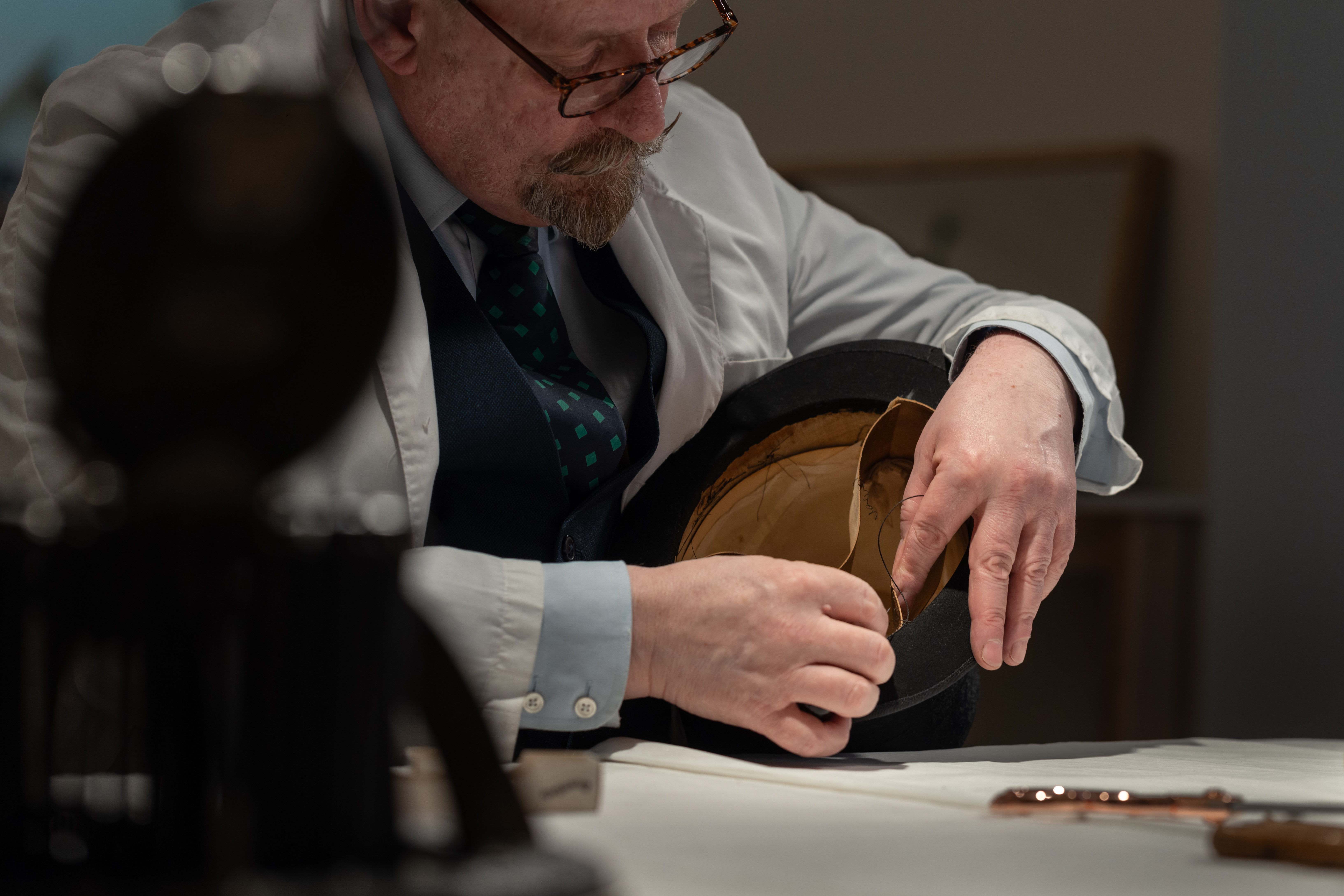
Skilled artisans show the level of work put into every piece in the Swaine workshop
Through all this change, Swaine, one of London’s oldest names in fine goods,has quietly remained a constant. Originally established as an 18th-century equestrian whip maker, Swaine has weathered centuries of change, living through empires, monarchies and revolutions without once compromising its dedication to British artisanal craft — a unique feat for the luxury sector, given the challenge of adapting to contemporary retail, technological evolution and shifts in supply chains.
From the beginning, Swaine’s identity has been deeply rooted in the city where it was founded and is arguably inseparable from the history of the capital. The two have grown in tandem. What was once a single Georgian workshop has since grown to become an international brand, strengthened through a series of notable acquisitions whose expertise and skill are folded into the company along with Swaine’s own leather legacy (established 1750), specialising in exotic folios, holdalls and accessories. These luxury brands include Brigg (umbrellas, est. 1836 — spanning collapsible innovations to exotic snakewoods) and Herbert Johnson (hatters, est. 1889 — handcrafting everything from berets and bowlers to Panamas and fedoras).
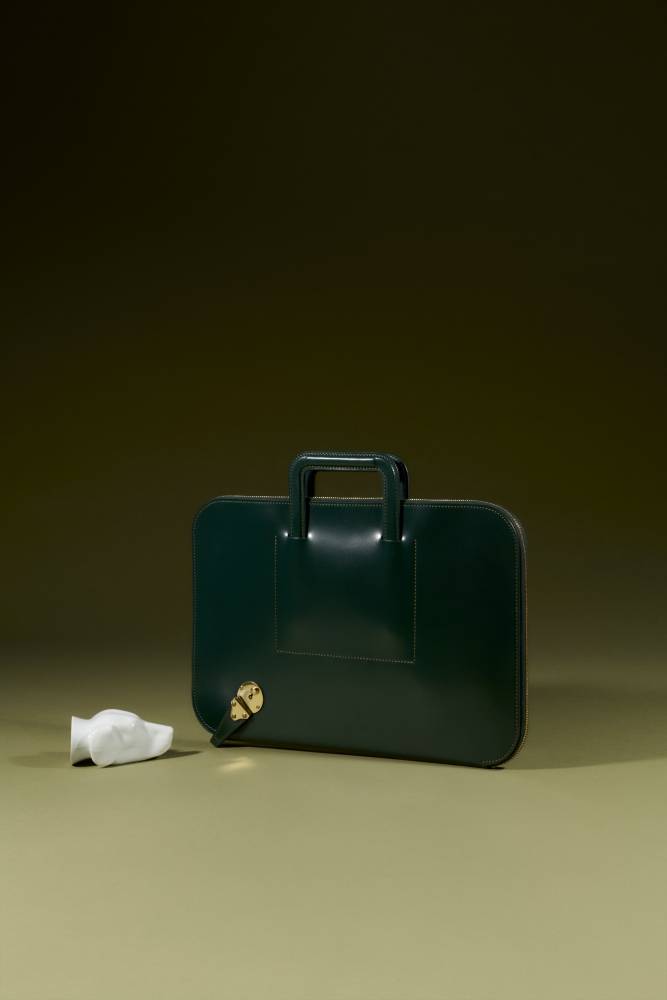
Salisbury Folio in jaguar green leather
One need only turn to the silver screen to understand the impeccable pedigree of these products. Be it James Bond’s briefcase, Mary Poppins’ umbrella, The White Lotus’s Parker Posey’s scarf, Indiana Jones, or perhaps more surprisingly, Ali G’s hat, it’s clear that Hollywood has had Swaine on speed dial for quite some time.
While tradition and heritage are central to the brand, Swaine is unafraid of modernity. Recognising the need to keep up with the times, after two centuries calling St. James’s its home and living a stone’s throw from The Mall, Swaine moved only a few years ago to better serve its loyal clientele. The flagship store and busy workshop can now be found in none other than the prestigious Mayfair district — the gem in London’s retail crown. Not only can you view the full Swaine collection, but you can also watch as a team of artisans hand-cut, skive and stitch using traditional saddlery techniques. The sound of the work and the smell of the products immediately transport you back to the first craftsmen labouring away in the original 18th-century workshop all those years ago.
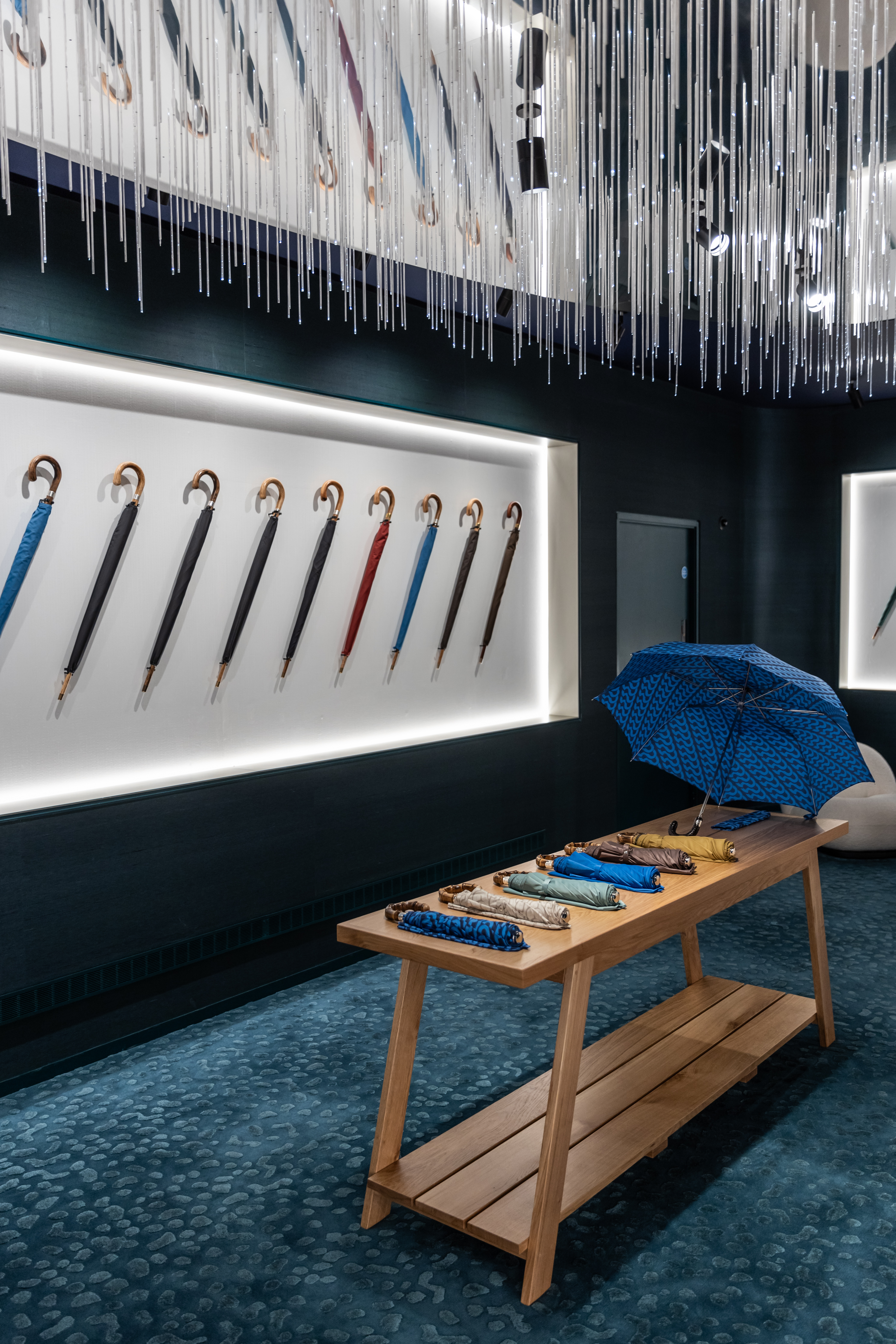
The striking umbrella room with its Perspex columns designed to echo falling rain
Beneath the store stands the workshop, a space that also serves as an impressive installation. The umbrella room is a signature feature of the venue, thanks to the immersive display of hanging Perspex columns, created to mimic falling rain. It serves as a theatrical reminder of the functionality of the Swaine collection, while also nodding to the artistry implemented in the both the design and manufacturing process of the products. Every detail, from the lighting to the layout, reflects precision and elegance — central pillars of the brand.
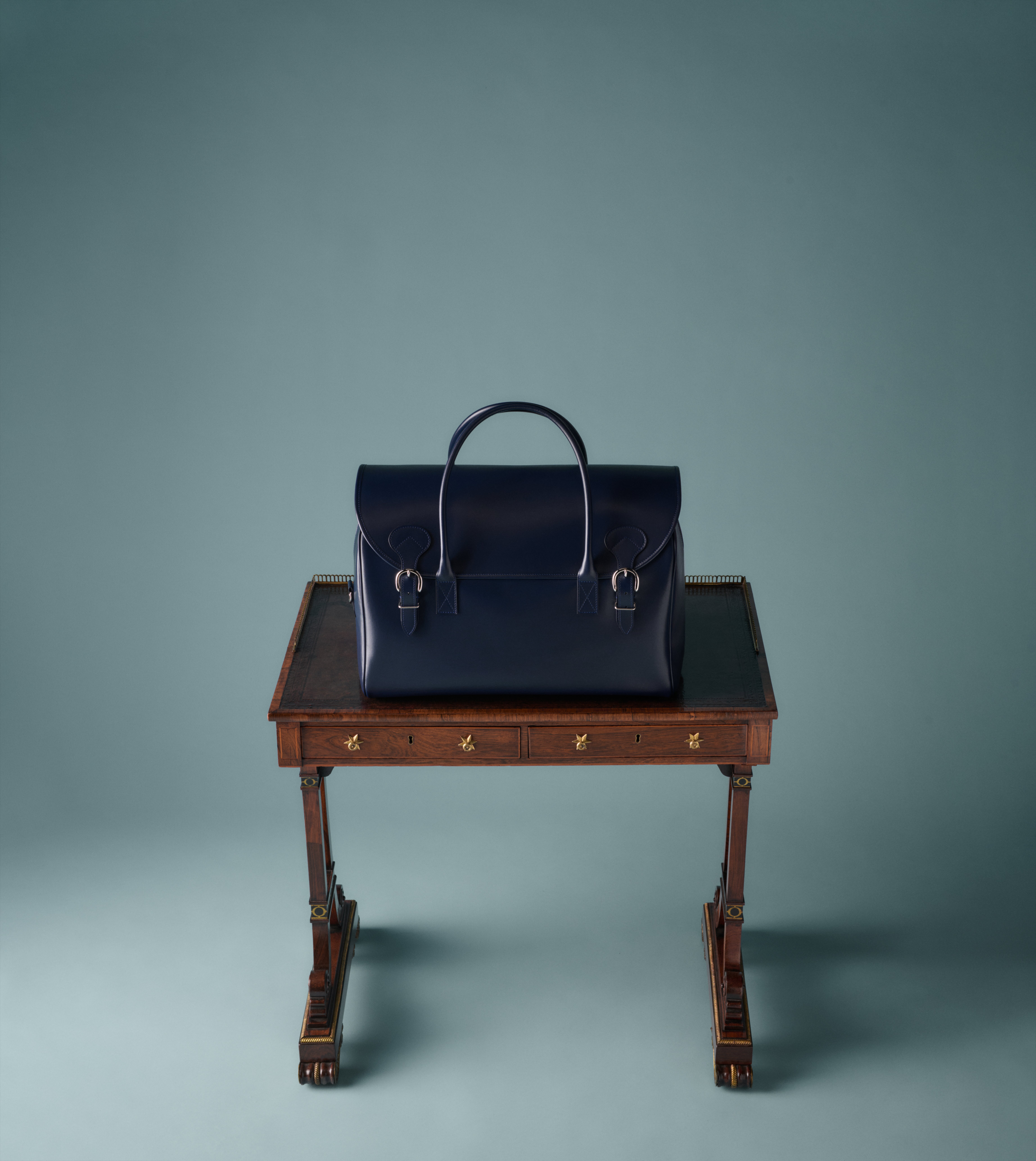
Oxford bag in navy full-grain calf leather
With 275 years in the industry comes a level of experience that isn’t enjoyed elsewhere. While each meticulous stitch represents a timeless elegance, Swaine is committed to ensuring that these skills don’t vanish with the old guard. The brand has invested in teaching the next generation of craftspeople. Highly skilled professionals who carry the company’s knowledge share it with eager apprentices. This process brings alive the company’s proud hand-made ethos, as articulated succinctly by Edward Swaine Adeney: “The machine is, in fact, used as servant — not master. This, then, is the formula: honest material and the finest craftsmanship that can be put into the moulding of it.”
In an era of hyper-fast micro trend cycles, Swaine serves as a fine example of what endures. As London continues to reinvent itself, Swaine, too, will continue to stand the test of time. Not just because of nostalgia or a longing for simpler times, but because of an insistence that creating by hand still matters. A true testament that craftsmanship is made to last.