The Best Spring Cocktails

Words by
Nina Caplan

18th May 2026

Celebrate the lengthening, brighter days after the gloom of winter with vibrant spring cocktails that offer the perfumes and flavours of the season. Nina Caplan selects her favourites.

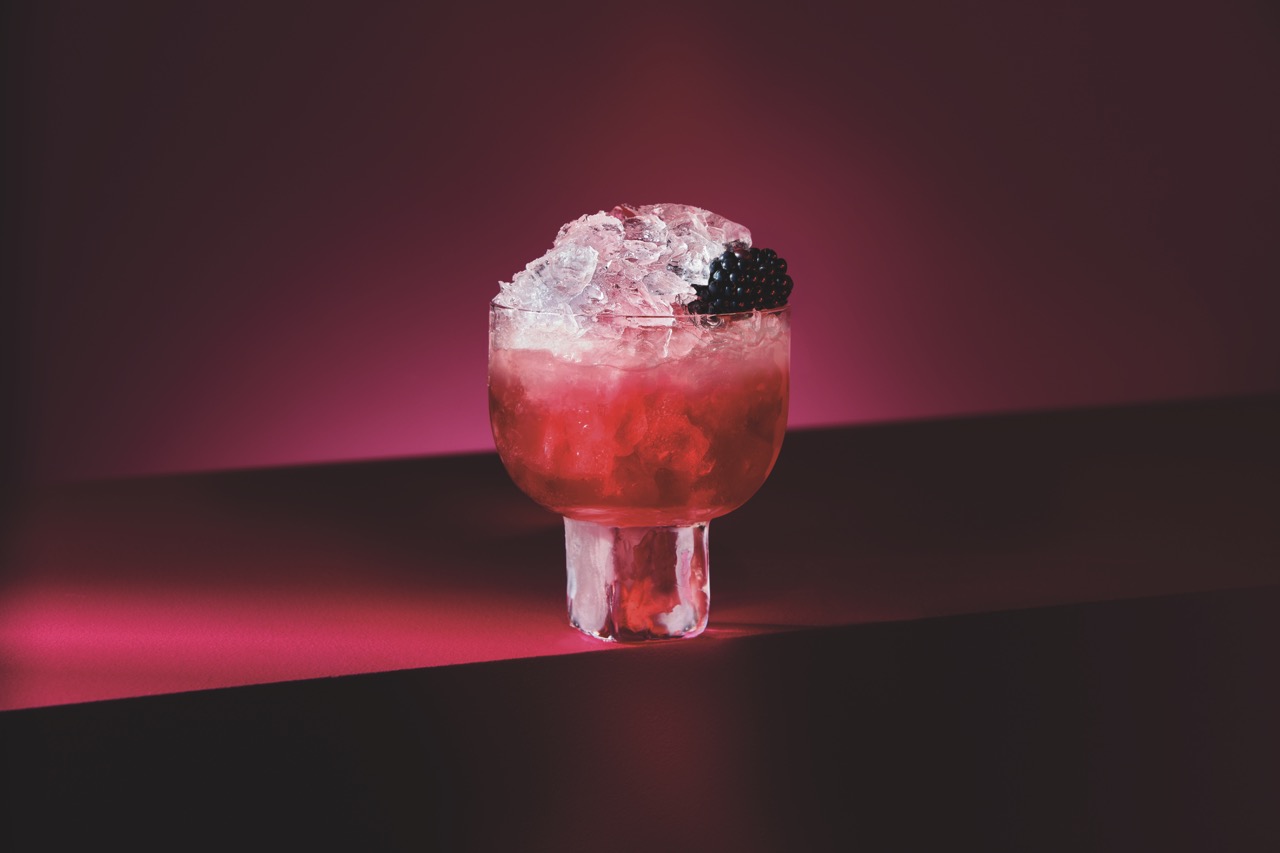
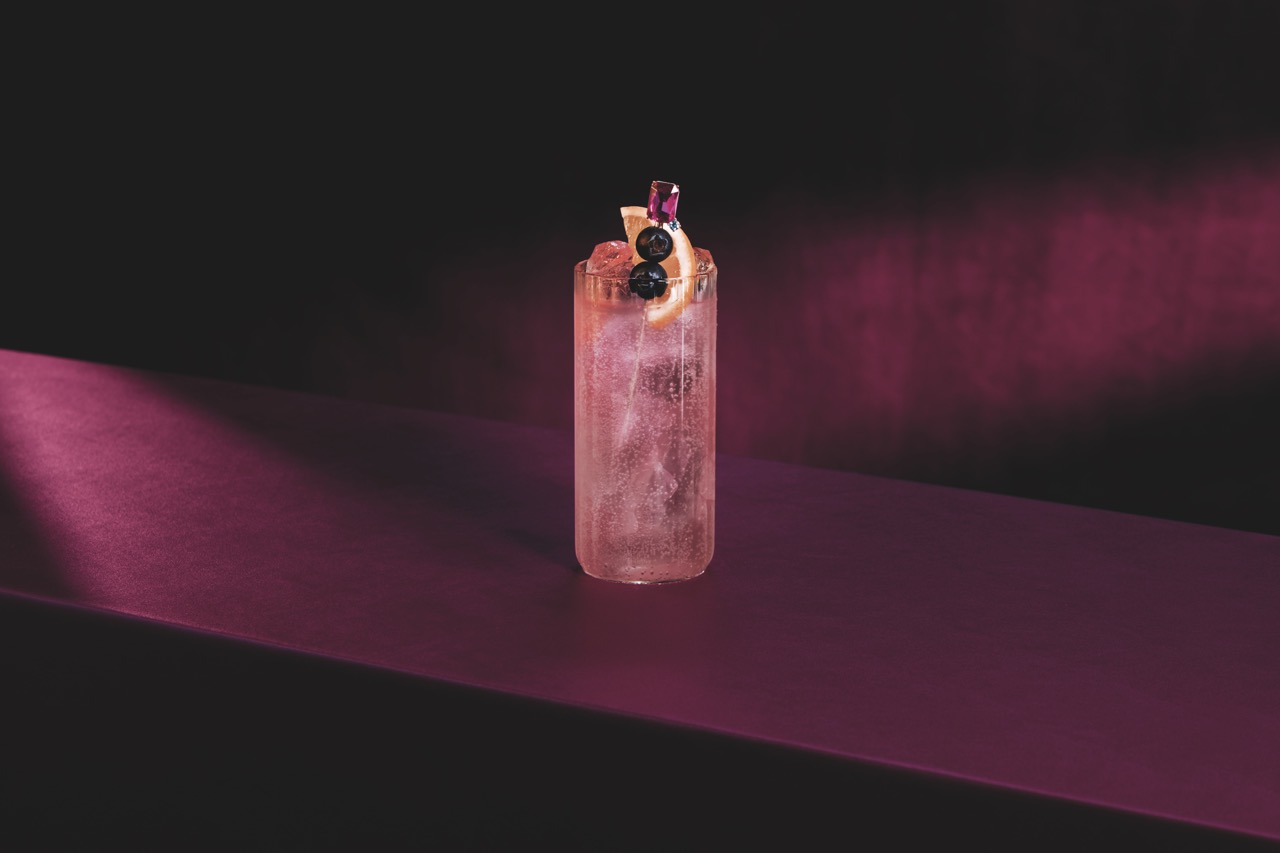
Dukes London’s Jasmalita
Dukes London’s Jasmalita ©William Craig Moyes

Here comes spring, the sweetest time of year. No need now for the kind of cocktail that keeps you warm; instead, with buds unfurling and fruit beginning to ripen, this is a time for scent and colour,  in the glass and in the air. From the blush of a raspberry Mojito to the scarlet pout of a Cosmopolitan and the rich rouge of a Bloody Mary, spring is the year putting its face on and preparing to party. 


The classic that says springtime to me is the Gimlet, which was invented to supply scurvy- stricken 19th-century sailors with vitamin C. Winter’s end is a time of pallor and frailty: what could be more appropriate than a cocktail that is practically a health drink? The original was probably gin and lime juice, the former an enticement to consume the latter, but the first popular version, published by legendary Paris bartender Harry MacElhone in Harry’s ABC of Mixing Cocktails in 1922, substituted Rose’s Lime Cordial. This was logical, since the kind of superstar barflies who hung out at Harry’s New York Bar – Coco Chanel, Ernest Hemingway and Jean-Paul Sartre – were not looking to top up their vitamin levels.
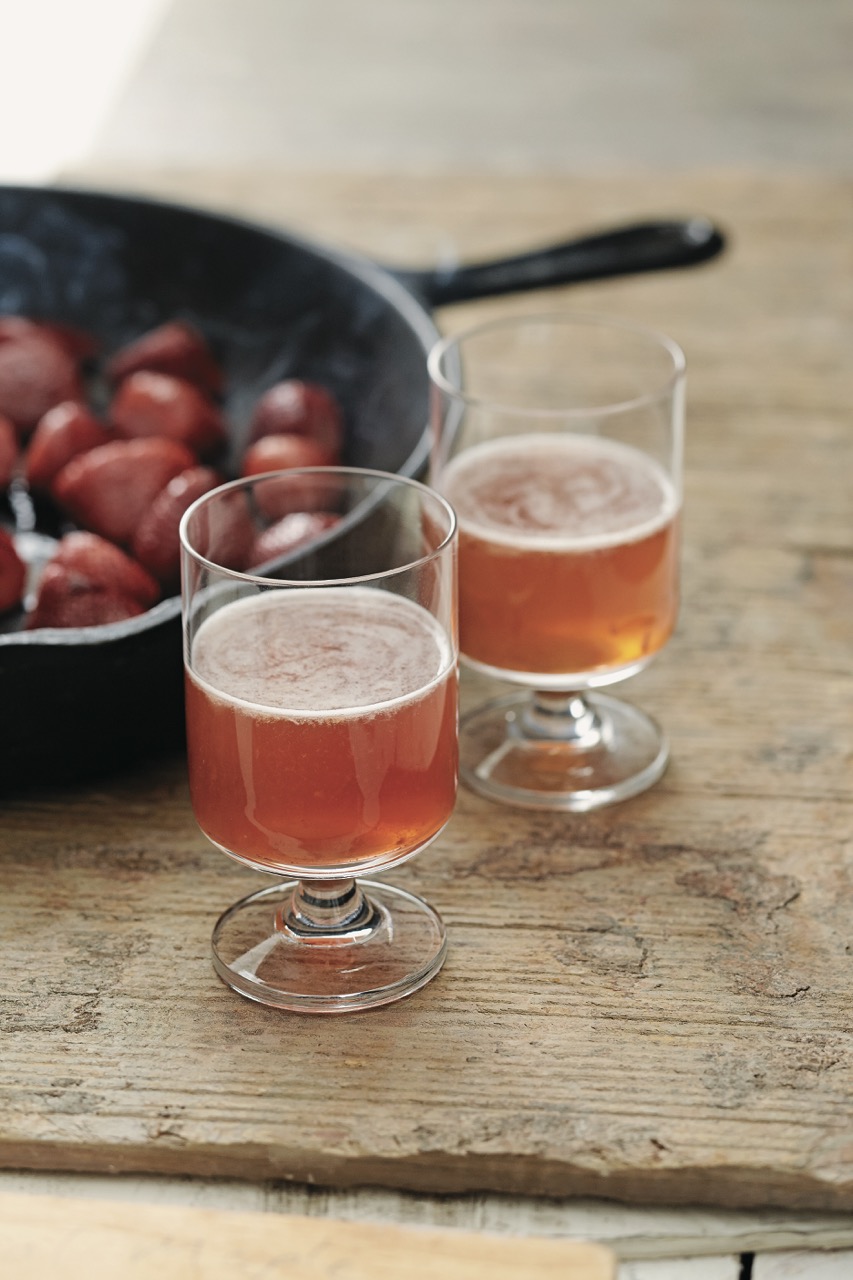
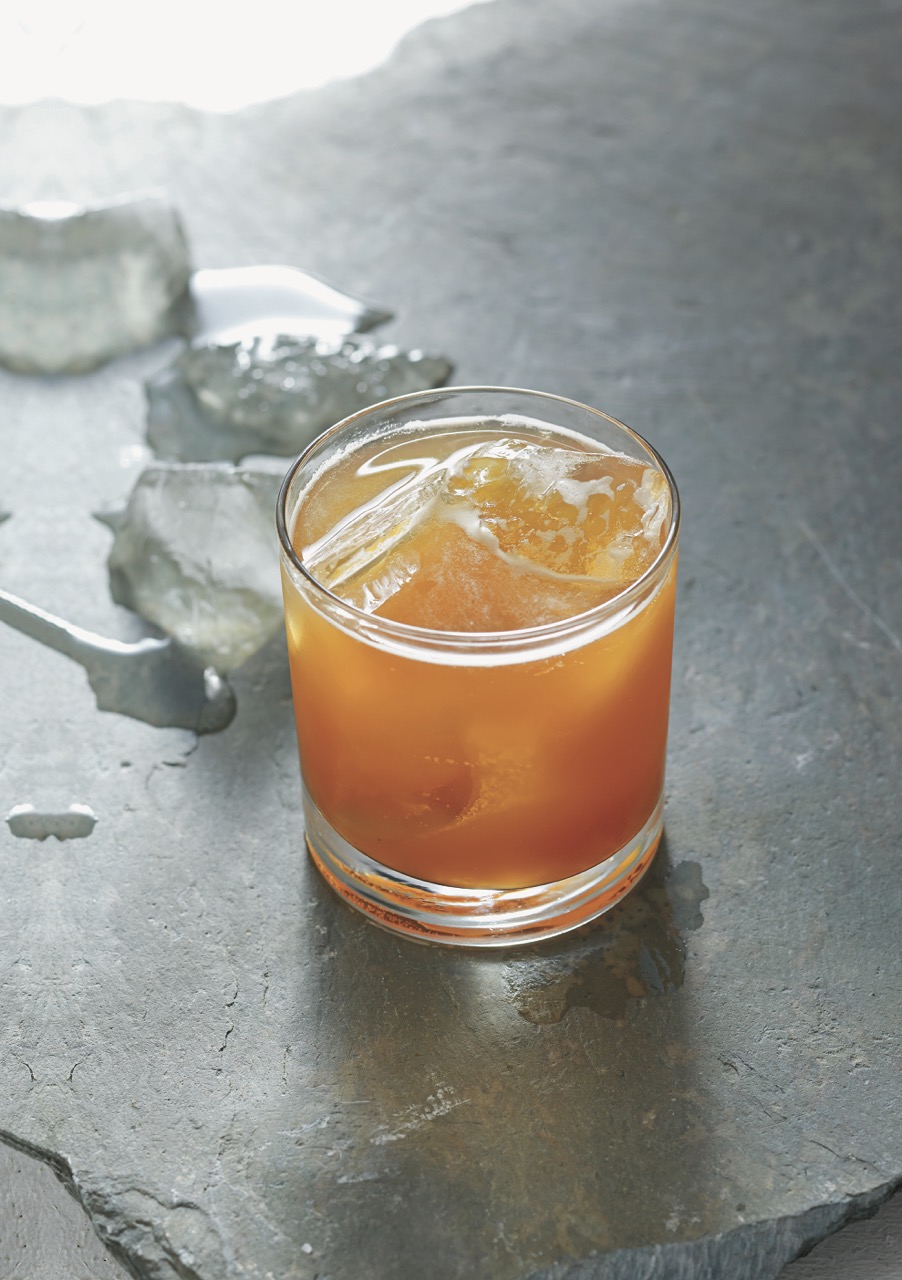
The Rye Whisky Slushee from The Craft Cocktail Compendium
The Rye Whisky Slushee, from The Craft Cocktail Compendium, includes roasted strawberries. ©Glenn Scott Photography

I prefer to take my lead from Australia, a country almost overendowed with summer sunshine, specifically from Melbourne, which has a restaurant named for the Gimlet. The restaurant makes its own citrus cordial: “We find this is more elegant than the shaken fresh juice versions, which are more like a Gin Daiquiri, and it bridges the gap between sweeter citrus cocktails and a Martini,” says Lachlan Bentley, Gimlet’s bar manager. Incorporating local ingredients such as a tincture of Geraldton waxflower, desert lime and finger lime is out of the range of most of us, as is the Melbourne Gin Company’s excellent gin. But here is an invitation to experiment, with more accessible kinds of citrus and flowers that are easier to find. Plus, perhaps, a light sprinkling of schadenfreude: after all, spring here is autumn in the southern hemisphere, and at least some of their bountiful sunshine is now heading our way. 

The gimlet is a classic spring drink
The Gimlet is such a classic that in Melbourne, they’ve named a restaurant after it. ©Jo McGann

Another drink designed to kick winter firmly out the back door is the Sidecar, a glowing combination of brandy, triple sec and lemon juice. In The Savoy Cocktail Book, Harry Craddock, head barman of The Savoy’s legendary American Bar when the Americans were all fleeing Prohibition (and reputed to have shaken New York’s last legal cocktail before the 1920 ban came in), calls it as two parts brandy, one triple sec liqueur and one lemon juice, and traditionally uses Rémy Martin VSOP, but if you’re feeling very decadent, its luxurious XO would be even better. Simon Difford of comprehensive cocktail website Difford’s Guide prefers three parts Cognac – he suggests Louis Royer – one part each of triple sec, lemon juice and Pineau des Charentes, an aperitif from western France that blends grape juice and eau-de-vie (unaged Cognac). Difford then suggests three drops of saline solution or a tiny pinch of salt: perfect for adding a beachbound tang. 

The Rambutan Daiquiri served at Sri Lankan restaurant Paradise
The Rambutan Daiquiri served at Sri Lankan restaurant Paradise. ©Bhavya Pansari

There are many fruit cocktails with which to celebrate the coming seasonal bounty, but my first choice is generally the Bramble, created by the late, great bartender Dick Bradsell with gin, lemon juice, sugar syrup and crème de mûre (blackberry liqueur), because it reminded him of picking the berries during his Isle of Wight childhood. To stay with the current season, since the blackberries don’t ripen until summer, try a version using Johnnie Walker Black Ruby, a cocktail-friendly version of its bestselling whisky that has notes of dark berry. The Black Ruby Bramble consists of 35ml Johnnie Walker Black Ruby, a teaspoon each of granulated sugar and honey, and  25ml of lemon juice. It is shaken without ice, muddled thoroughly, then shaken with cubed ice and double-strained into a tumbler and garnished with fruit. A rather different fruit and whisky cocktail, featuring a berry that ripens earlier than the blackberry, is the Rye Whisky Slushee with Roasted Strawberries, from Warren Bobrow’s The Craft Cocktail Compendium (Fair Winds Press). This includes Rhubarb Tea Liqueur – more vitamin C! – and a stew of roasted strawberries and rhubarb. While Bobrow’s recipe suggests rye whiskey with an e – that is, made in the USA – in our house, we drink Canadian: Lot 40 is a fine example, with more spice and fewer vowels. 

Join the

SPHERE Life

*By joining, you agree to receive news from SPHERE Magazine

Johnnie Walker Black Ruby has notes of dark berries
Johnnie Walker Black Ruby has notes of dark berries. ©Johnnie Walker

In the chill of a Soho November, I found warmth at Paradise, Dom Fernando’s aptly named Sri Lankan restaurant, with a Rambutan Daiquiri, made with curry leaf- infused Aluna Coconut Rum (a blend of Guatemalan and Caribbean rums and coconut water) and rambutan, the sweet scarlet fruit from south-east Asia. 

A spring bramble cocktail
The kind of superstar barflies who hung out at Harry’s New York Bar — Coco Chanel, Ernest Hemingway and Jean-Paul Sartre — were not looking to top up their vitamin levels. ©Johnnie Walker
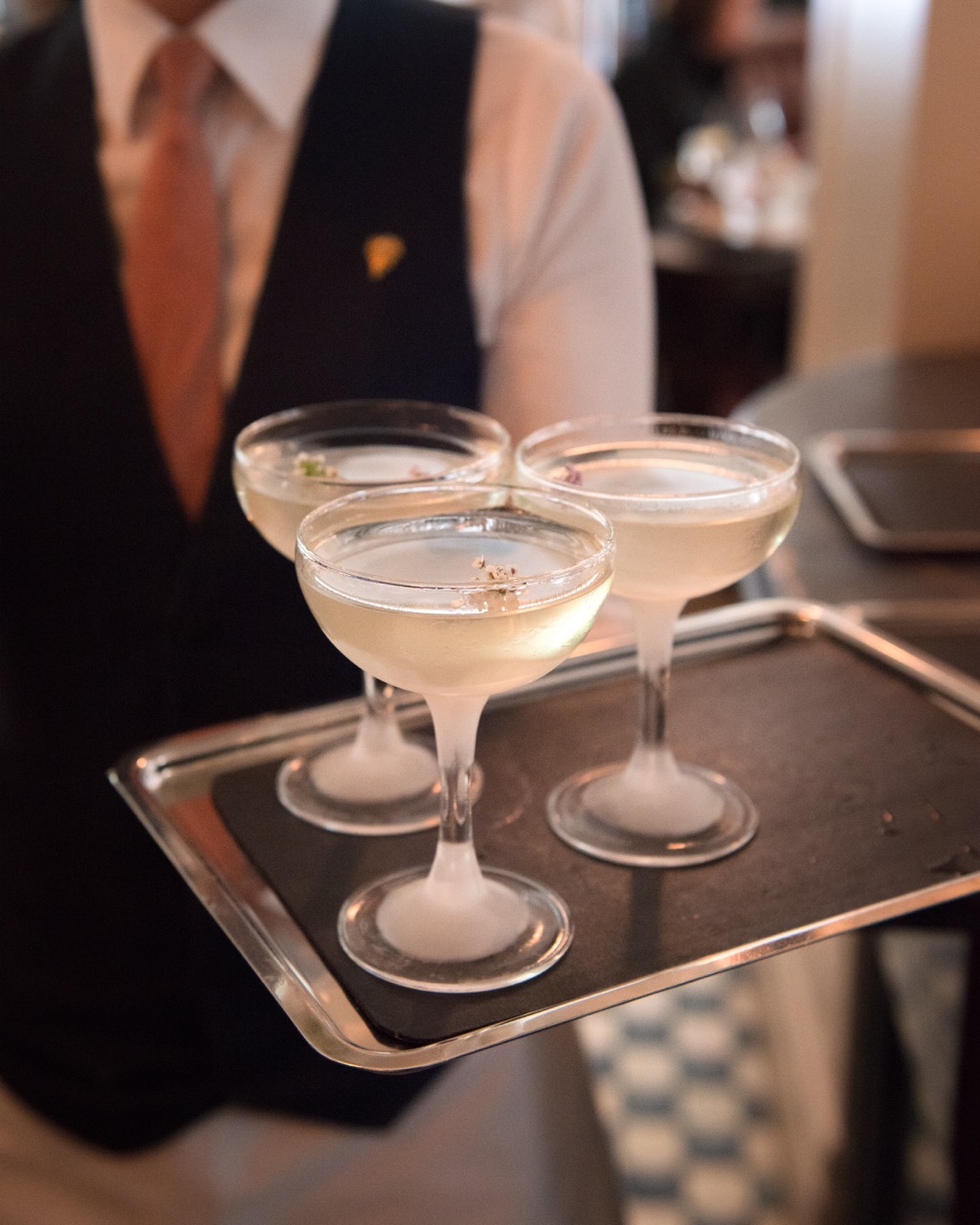
December took me to The Delany Drawing Room, the new bar at Dukes London, for another pre-emptive taste of summer: a jubilant Jasmalita, its take on the Tequila Tonic. The spirit is milk-washed, which involves adding whole milk and citric acid or lemon juice, then straining off the resulting curds and whey. I was wary – I’m not a fan of milk anything – but the result was delicious, not milky at all, just richer somehow, as if an extra layer of colour had been added to a photograph. And the jasmine infusion made me think, instantly, of springtime. As did the wall decorations, paper collages of flowers by the 18th-century artist Mary Delany, for whom the new bar is named. 

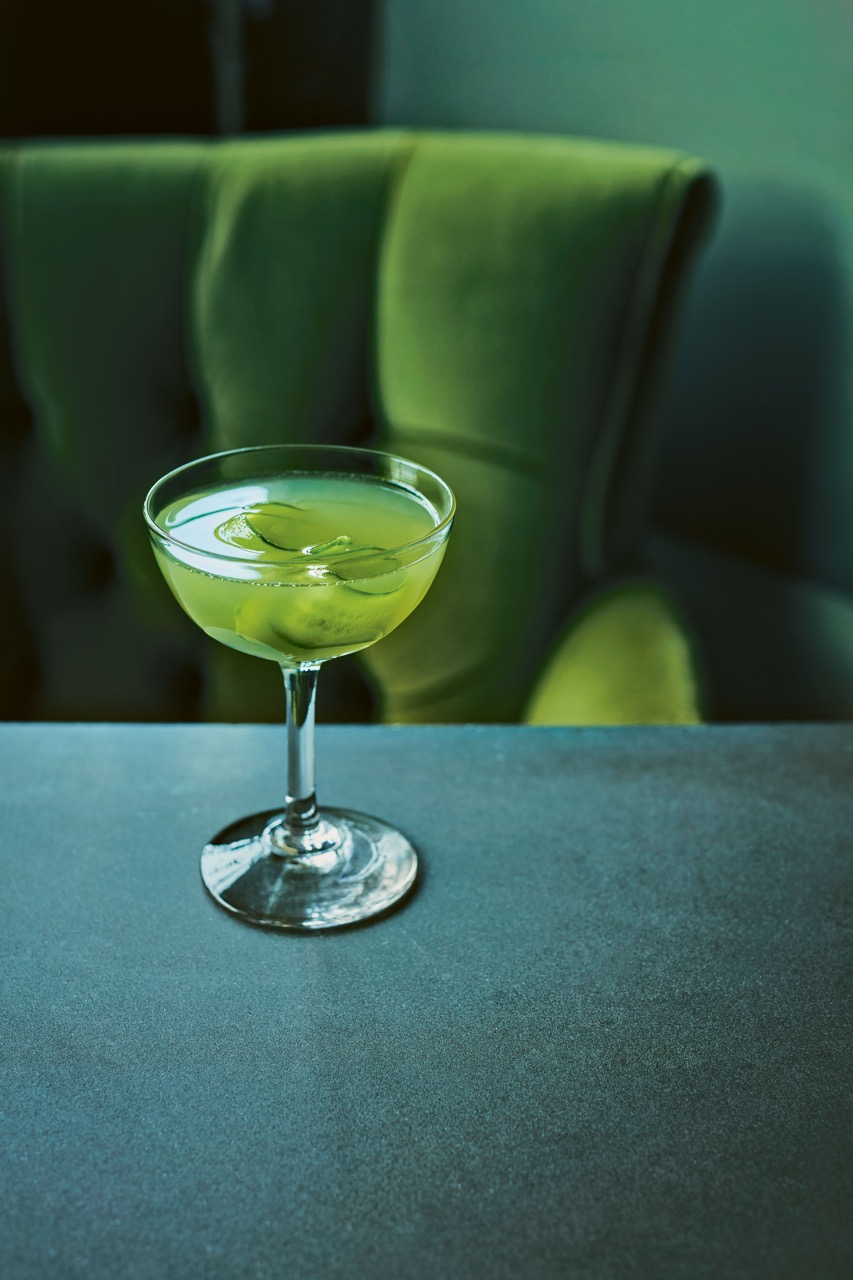
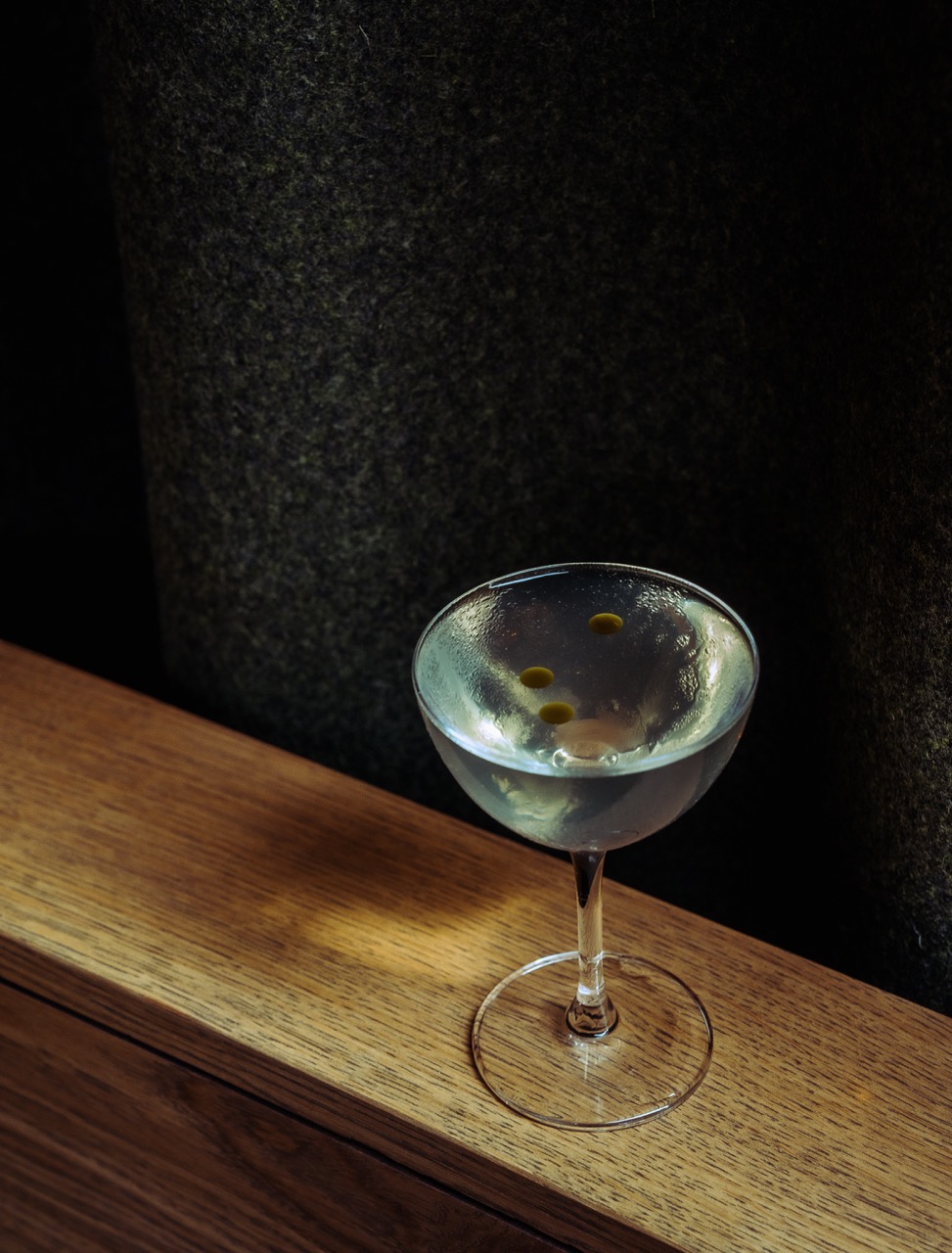
The fabulously green Lucky Jim Martini
Novelist Kingsley Amis described the Lucky Jim Martini’s appearance as “rather mysterious… the green wine of the Chinese emperors come to vigorous life”. ©Laura Edwards/The Martini by Alice Lascelles

As the season warms, I love the meltwater clarity of a Martini – but why not one coloured the juicy green of new grass? In her book, The Martini: The Ultimate Guide to a Cocktail Icon (Quadrille), Alice Lascelles gives the recipe for the Lucky Jim, named for Kingsley Amis’s famous novel, which is as dry as a good martini and twice as funny. (Lascelles writes, and I agree, that it contains one of the finest hangover descriptions ever committed to print: it begins “consciousness was upon him before he could get out of the way” and only gets better.) Because the vodka and dry vermouth are accessorised with peeled and chopped cucumber, the pieces muddled in the shaker first to extract the juice, the drink has an appearance that Amis describes as “rather mysterious... the green wine of the Chinese emperors come to vigorous life.”  

As for which vodka, I’d probably go for Grey Goose, which has an understated elegance appropriate to its origins (it is made from French wheat). Amis, the old rogue, suggested using the cheapest vodka possible, which may be one of the reasons his hangovers were so bad. 

Late Summer Fizz from The Craft Cocktail Compendium
Late Summer Fizz from The Craft Cocktail Compendium. ©Glenn Scott Photography

Finally, since this is a celebration of warmth and light and flourishing, let’s end with a Champagne cocktail: that perennial favourite, the Kir Royal. It is impossible to argue with the feel-good factor of Crême de Cassis – blackcurrant liqueur – and Champagne, a blend of berries, grapes and effervescence that seems like a liquid equivalent of those stop-motion films of flowers unfolding into bloom. Moët & Chandon’s Ice is made specifically for cocktails, and Veuve Clicquot Rich, intended to be served with ice, would work, too. For an especially summery twist, start with a dash of sloe gin in the bottom of the glass: Sipsmith do a good one, as do Berry Bros. & Rudd. 

But be careful: this deceptively delicious combination packs a punch. Hangovers should wait until the nights lengthen; right  now, every day is brighter and longer than the one before, and it would be a shame to miss out on a single minute.