Much of Britain’s cultural soft power emanates from our exceptional theatre and Kate Varah, Co-CEO and Executive Director of the National Theatre, insists that the National is the best in the world. So, it was to her that I first turned to discover what we could expect from British theatre in 2026. “Rather than focusing on trends, our audience is our Pole Star,” says Varah, “and our absolute goal is making audiences feel welcome at an affordable price. We want people to come into the theatre from school and continue throughout their lifetime.”
The Year of London Theatre and Beyond
Words by
Charlotte Metcalf
26th May 2026
With a starry cast of names set to tread the boards and a major drive to attract new audiences, 2026 promises to be an exceptional year for London theatre and beyond.
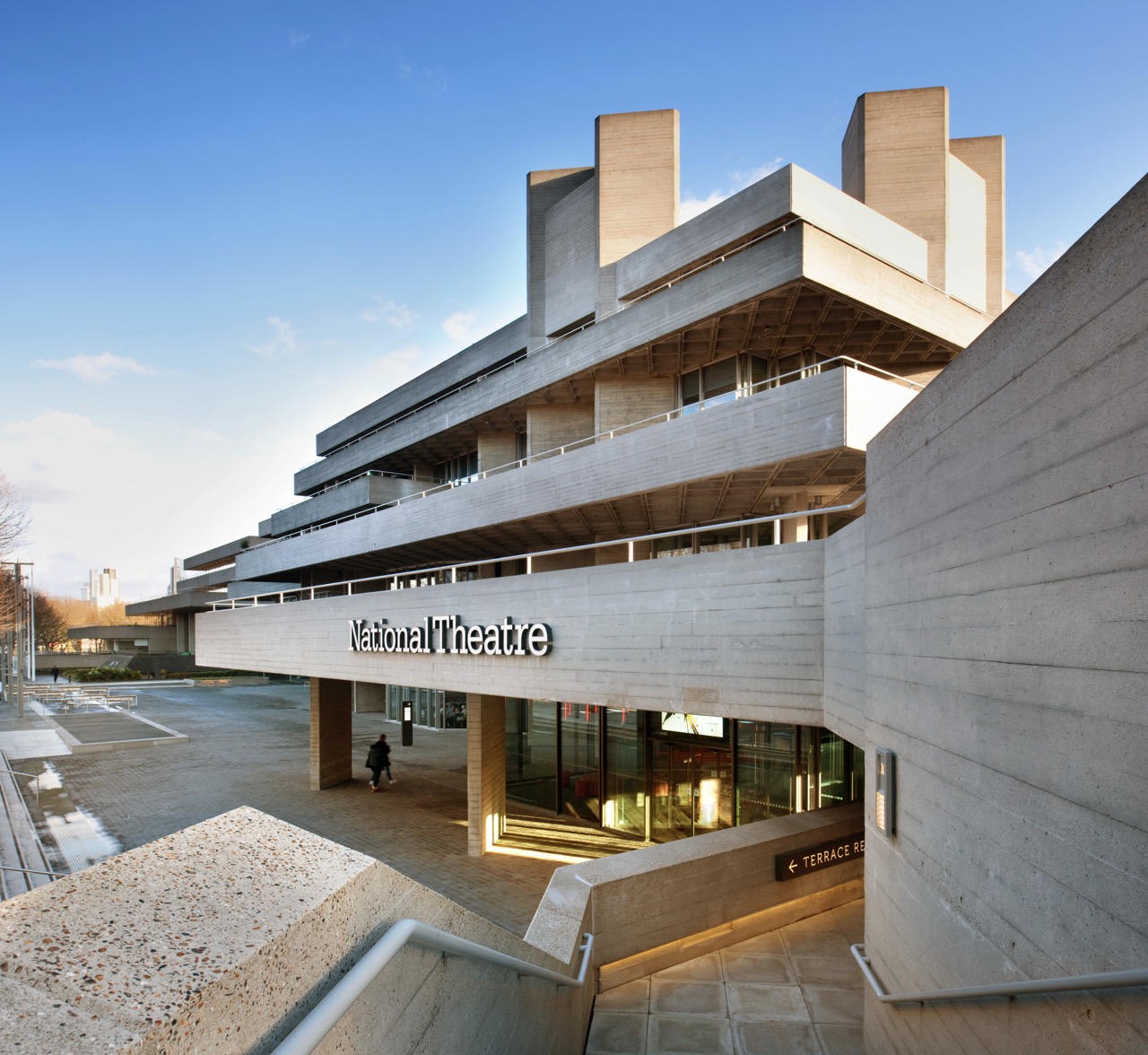
The National Theatre on London’s South Bank, described by Co-CEO and Executive Director Kate Varah as “the best in the world". ©Phillip Vile.
Like Varah, every artistic director I spoke to was intent on banishing the outdated perception that theatre is the exclusive domain of the well-heeled and well-educated. If there’s one unifying trend, it’s an obsession with making theatre exciting and available to absolutely everyone. Some have pursued stars to stir up excitement. “There’s a lot of emphasis on big names and familiar faces this year,” admits Varah, “and we have some amazing actors leading our 2026 programme, like Lesley Manville with Aidan Turner in Les Liaisons Dangereuses, Sandra Oh in The Misanthrope and Cate Blanchett in Electra/Persona.”
Similarly, Kenneth Branagh is returning to the Royal Shakespeare Company (RSC) at Stratford after more than 30 years. Richard Eyre directs him in the role of Prospero in The Tempest, and then Branagh stars in The Cherry Orchard alongside Helen Hunt. Expect big names in the West End too. We’ve had Breaking Bad’s Bryan Cranston in All My Sons and Hugh Bonneville as C.S. Lewis in Shadowlands. Now, after starring in Stoppard’s Indian Ink at Hampstead Theatre, Felicity Kendal will be in High Society at the Barbican, while Ralph Fiennes takes the lead in Grace Pervades at Theatre Royal Haymarket.
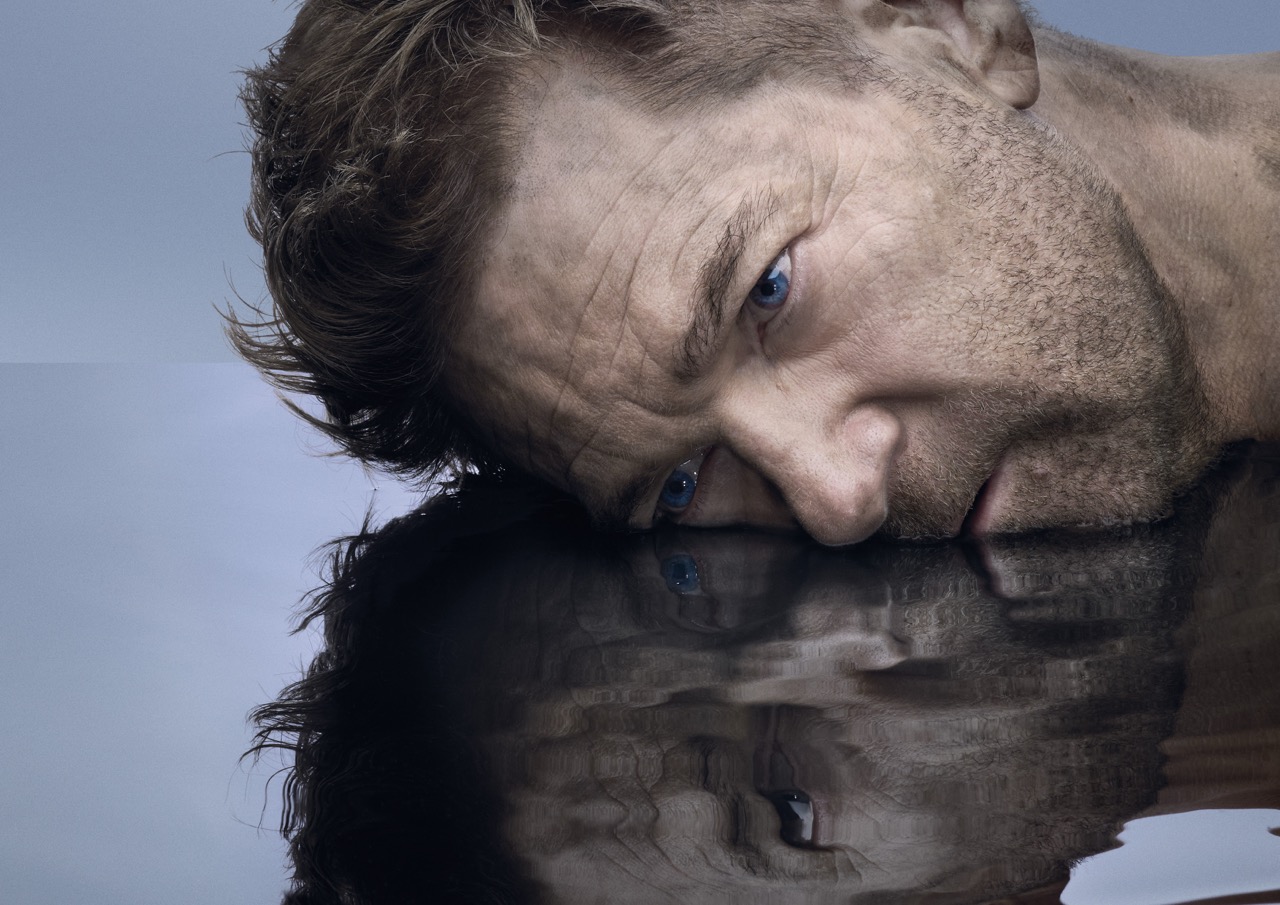
Kenneth Branagh in The Tempest at The Royal Shakespeare Theatre.
Meanwhile, younger international stars are being lured to London: Hollywood heartthrob Chris Pine makes his stage debut in Ivanov at The Bridge, and Sadie Sink appears in the West End for the first time in Romeo and Juliet at the Harold Pinter Theatre. Further afield, theatres like Theatre Royal Bath are employing well-known faces from television, such as John Simm, Sir David Suchet and Maureen Lipman, alongside established stage actors like Tracy-Ann Oberman.
Yet this sprinkle of stardust is underpinned by a concerted and ambitious nationwide effort to engage audiences. “Drama helps make sense of the world, and we’re intent on having a dialogue with our city and the world – trends are just a temporary label,” says Sheffield Theatres’ Artistic Director, Elizabeth Newman. “As the national theatre of the North, with the largest theatre complex outside London, my job is to ensure we’re constantly creating theatre that inspires, moves and challenges everyone. Whether it’s a babe in arms at a Christmas show, a four-year-old at their first panto or Auntie Sue watching a Noël Coward play, there’s always something for everyone.”

The Ladies Football Club at Sheffield’s Crucible Theatre.
Sheffield Theatres’ showcase play for 2026 is The Ladies Football Club, adapted from the verse poem by Stefano Massini (who wrote The Lehman Trilogy), and set in the First World War, before women were banned from playing by the FA – a restriction not lifted until the 1970s.
The Royal Exchange theatre, Manchester, celebrates its 50th anniversary with its A Homecoming programme, bringing back artists who’ve worked in the theatre over the past five decades. The highlight is a production of Jim Cartwright’s The Road, starring Johnny Vegas, with Sir Tom Courtenay making a special appearance.
The theatre was severely damaged by the 1996 IRA bombing, but its unique glass box construction – within the vast Grade II listed Victorian Great Hall – was lovingly restored. “The glass module is suspended from the walls like a spaceship,” explains Selina Cartmell, Artistic Director. “There are no wings or aisles, so there’s a direct connection between actors and audiences, like a crucible in the round. It feels like sharing stories around a campfire. And The Road is a classic masterpiece and a love letter to the north, set in Lancashire during Thatcher’s era of 1986. It was written to be immersive, and we’re doing an ambitious takeover of the space so that the audience can pick and choose where they travel to. If theatre is to lure audiences away from Netflix and other platforms, it’s no longer enough just to ask them to sit and watch. The beauty of our space is that no seat is more than 10 metres away from an actor. You feel inside the play, rather than outside looking in, which creates a whole new energy.”
Musical theatre is on the rise too.“There’s a definite appetite for musicals,” says Tamara Harvey, Co-Artistic Director at the RSC, which is staging the Malawi-set musical The Boy Who Harnessed the Wind. “We’re also excited about a series of four plays by Whitney White with music, exploring Shakespeare from the perspective of a black American woman – half Shakespeare, half rock concert.” Meanwhile, the National is staging Stephen Beresford’s Pride, set in 1984, based on the award-winning film and directed by Matthew Warchus.
Increasingly, theatregoers are being treated to dazzling choreography. Steven Knight, currently writing the next James Bond film and behind Digbeth Loc, Birmingham’s new studio complex for film and television production, has long championed ballet – witness the success of Rambert Dance’s production of Knight’s Peaky Blinders: The Redemption of Thomas Shelby (now touring). Or look at Hull’s theatres, offering a feast of opera, musicals and ballet, from Mamma Mia! to Matthew Bourne’s The Car Man.
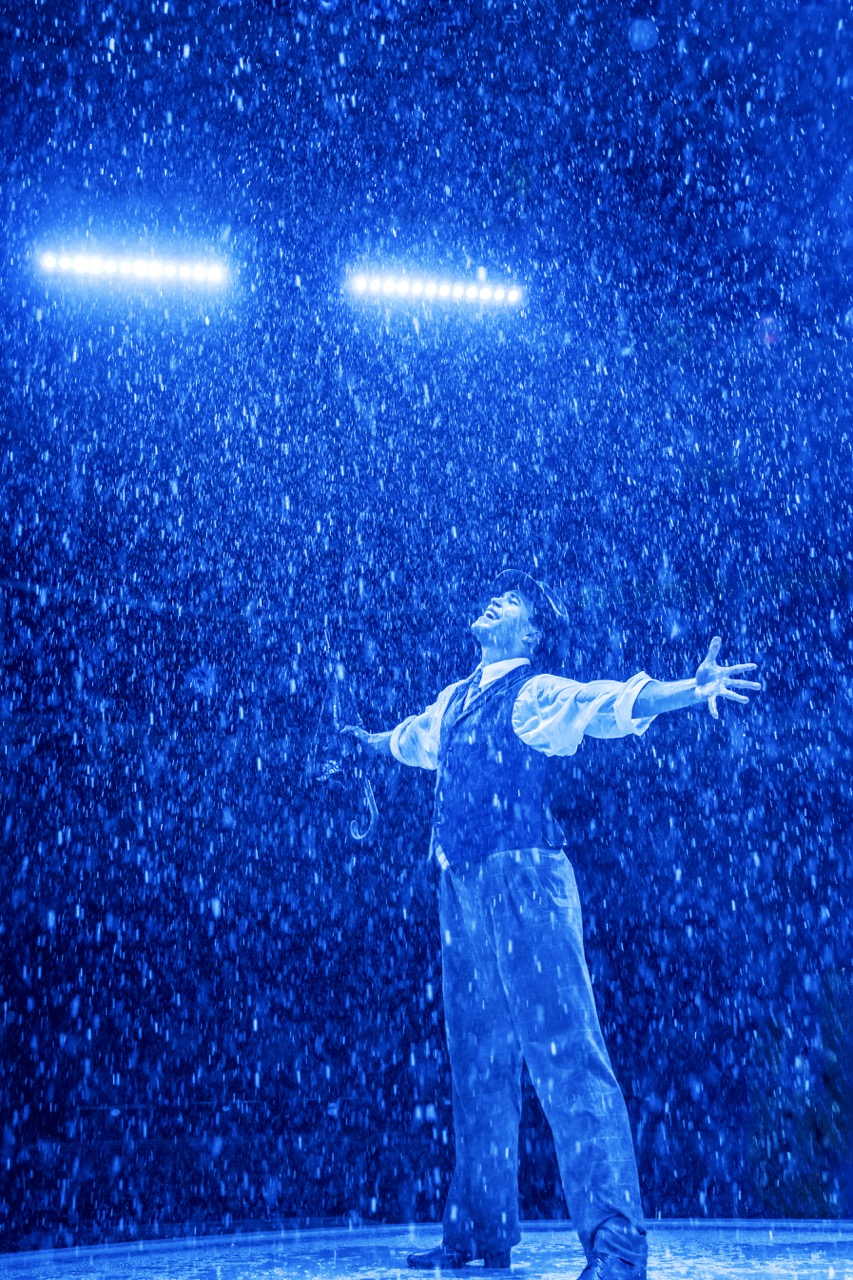
Louis Gaunt as Don Lockwood in Singin’ in the Rain at the Royal Exchange theatre, Manchester. ©Johan Persson.
In 2024, London’s Regent’s Park Open Air Theatre appointed choreographer Drew McOnie as its artistic director. McOnie was already renowned for choreographing the sell-out production of Jesus Christ Superstar (which runs again at London’s Palladium this summer), and his 2025 production of Lerner and Loewe’s 1947 musical Brigadoon attracted rave reviews for its beautiful Celtic dancing. Now McOnie is reviving Cats. “I don’t know if it’s really a trend, but dance is exploding,” he says. “Dance was probably the earliest form of communication and expression. People were dancing around campfires way before anybody was documenting it, and now dance is starting to be properly celebrated as a meaningful part of the toolkit of expression.
“Besides, restrictive times like Covid always lead to an explosion of more expressionistic art forms. As we emerged from the constraints of lockdown, the image of somebody flying through the air and landing in the arms of somebody else, or even a group of dancers, felt – and continues to feel – heightened and more thrilling than ever.”

The RSC musical, The Boy Who Harnessed the Wind, will transfer to Soho Place, London.
One of the theatre’s unanimous goals is to engage more schools and young people. RSC has 280 associate schools and has launched a new digital learning platform, the Shakespeare Curriculum, to which close to 800 schools have signed up. Phyllida Lloyd and Harriet Walter are reuniting to revive their Julius Caesar and will be taking it into eight schools, before bringing it back for a run at The Other Place in the autumn. Meanwhile, the National is turning to what Varah describes as “puppetry galore” this year to engage family audiences, with The Jungle Book and a return for War Horse as it marks its 20th anniversary.
New trends are being forged by emerging producers, like 30-year-old Kit Bromovsky. In the last couple of years, she has collaborated with writer and actor Keelan Kember and their productions, Thanks for Having Me and Da Vinci’s Laundry at Riverside Studios in London’s Hammersmith, met with delighted audiences and rave reviews. Echoing Kate Varah, Bromovsky says, “People do want to see famous people – that’s what sells tickets. But beyond that, deep down, my generation wants to laugh and be distracted because life is tough and depressing. They also want shorter plays because we’re not programmed to sit still for hours. We also need to get away from overt political correctness because often the points that plays are making can feel forced and stuck on.
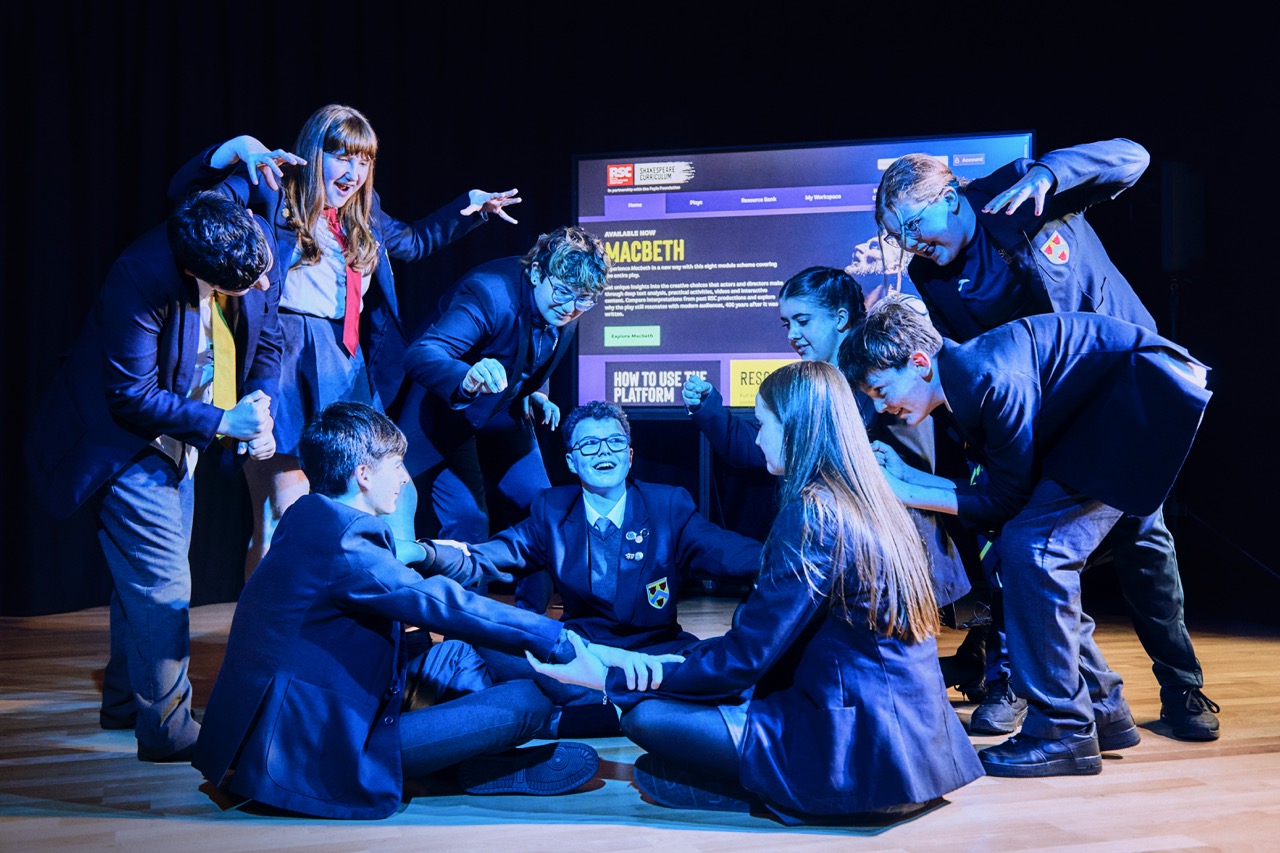
Close to 800 schools have signed up to the RSC’s new digital learning platform.
“Keelan’s plays are taking off because they’re about relationships and are easy to follow. Thanks for Having Me was all about connections between ordinary people, so required no knowledge from the audience except a universal experience of relationships. That meant no screen whatsoever between audience and subject matter. When you watch a play that’s about how one person connects with another, audiences love it because then they feel truly connected themselves.”
Bromovsky’s next production is Patrick Marber’s After Miss Julie. Explaining why, she says, “The world is confusing right now, so people want zero pretence and to understand stuff. Marber’s plays, like Closer, enable them to do just that.” “There’s something about the increasingly isolated, polarised nature of our society that makes coming together and turning off your phones in a shared space a meaningful experience,” concludes Tamara Harvey of the RSC. “People are craving stories that deepen our understanding of ourselves, each other and the world around us. Those stories deepen our empathy, which is ever more necessary.”
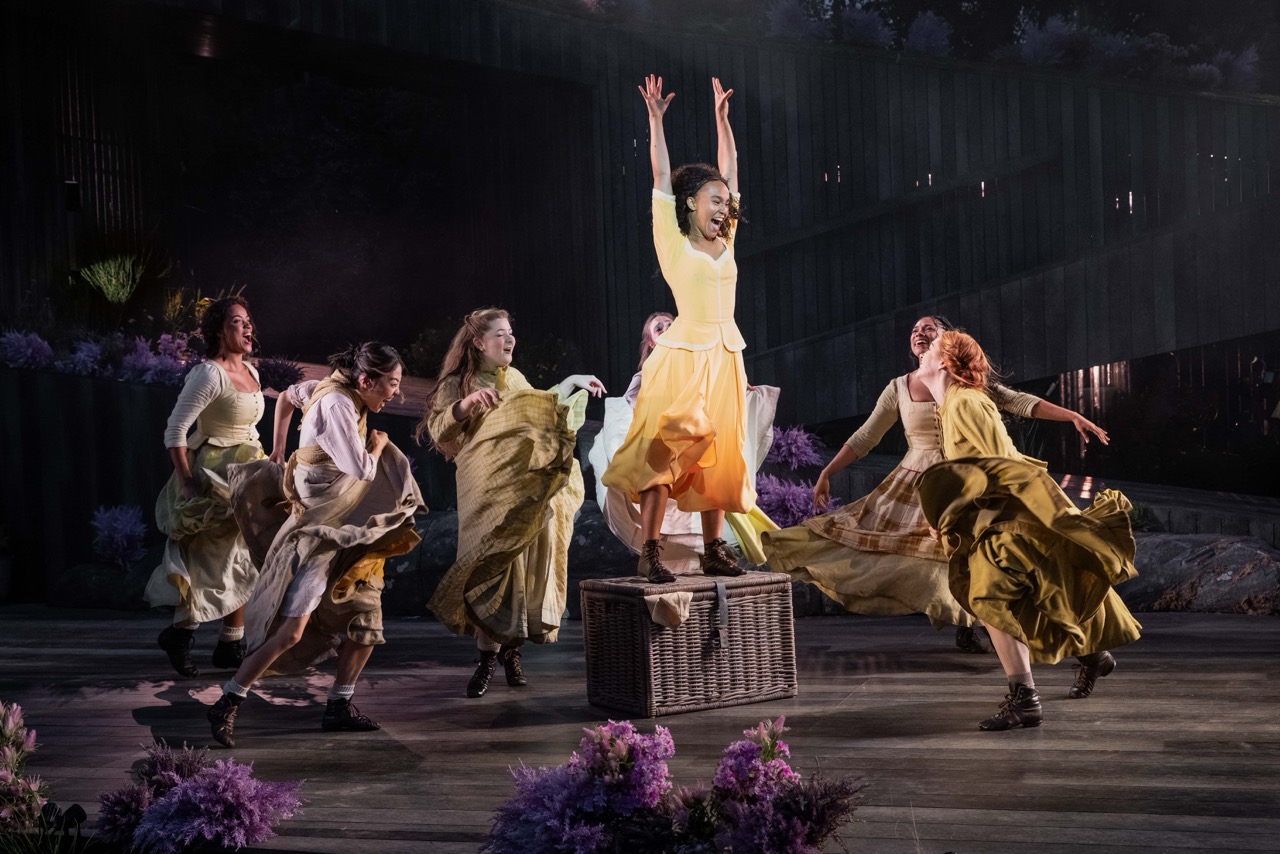
Drew McOnie’s 2025 production of Brigadoon at Regent’s Park Open Air Theatre garnered rave reviews for its choreography. ©Mark Senior.
“The National is committed to broadening its reach to every area of the country, via schools and local communities, even those previously bereft of theatre,” says Varah. “Beyond that, and what few people talk about, is that British theatre has the widest reach in the world and we need to celebrate that more. The National’s digital reach is now 28 million in 184 countries. It’s how we share UK stories and showcase our culture and extraordinarily rich theatrical heritage globally.”
The world might be in turmoil, but British theatres are embracing this uncertain era as
an opportunity, as people increasingly turn to them for distraction and to make sense of the
chaos around us. Never has British theatre felt more buoyant, exhilarating or purposeful.